
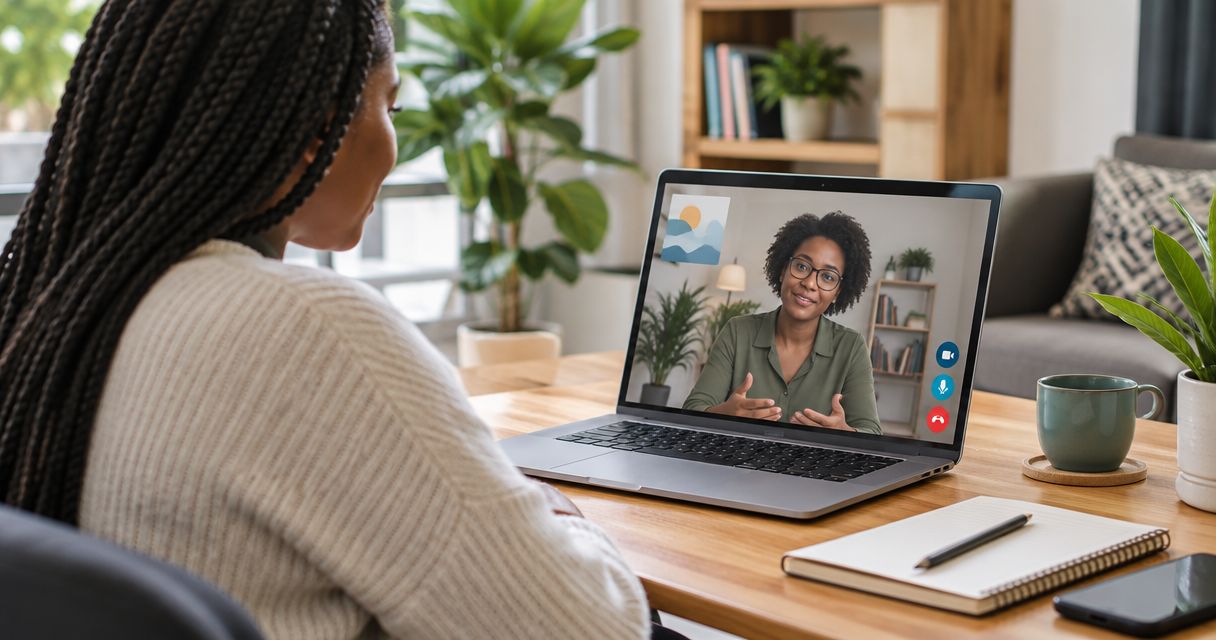
Best for licensed online counselling in Uganda, Kenya and Tanzania: InnerSpark Africa. Best format for people who prefer typing: chat; for speaking without a camera: voice; for face-to-face conversation: video. For your 2026 shortlist, the deciding distinction is confidentiality versus anonymity: private therapy does not automatically mean therapy without identifying yourself.
- For best anonymous online counselling platforms Africa searches, separate confidentiality from anonymity before choosing a service.
- InnerSpark Africa offers licensed online counselling through chat, voice and video in Uganda, Kenya, Tanzania and beyond.
- Choose chat for written conversation, voice for camera-free discussion, and video for visible interaction.
- Ask about identity requirements, records and confidentiality exceptions before sharing sensitive information.
Why this matters
You can want professional help and still feel uncomfortable sharing your name, showing your face or having a therapy appointment appear on a shared device. Those concerns deserve direct answers, not a vague promise of privacy.
Confidentiality means information is handled under professional and service rules; anonymity means your identity is not known. A service can offer confidential counselling while collecting identifying information for appointments, payments or clinical care. Using a nickname on screen does not establish anonymity throughout the service.
For a 2026 decision, compare the actual privacy arrangements before comparing convenience. This guide ranks three counselling formats offered by the same provider. The ranking is a decision tree for how you want to communicate, not a claim that one format guarantees anonymity.
What makes the best anonymous online counselling option?
Use these criteria before choosing a platform or communication format:
- Identity requirements: Ask whether you must provide a legal name, phone number, location or other identifying details. Separate what the therapist sees from what the service collects.
- Qualified care: Check who provides the sessions and how to verify their professional credentials. Peer support and licensed counselling are different services.
- Record handling: Ask what information is retained, who can access it and how to request information about deletion. A chat transcript and a therapist's clinical notes are not the same record.
- Confidentiality boundaries: Ask the therapist to explain exceptions before the session begins. Do not assume confidentiality is absolute.
- Practical access: Choose a format you can use somewhere private. Consider your device, connection, ability to type and comfort speaking aloud.
- Personal fit: Ask about language, the concerns you want help with and whether the therapist can work with someone in your location.
The strongest option answers these questions plainly. A privacy statement that sounds reassuring but leaves the process unclear is not enough to base a sensitive conversation on.
Online counselling formats at a glance
InnerSpark Africa offers online counselling with licensed African therapists through video, voice or chat, serving individuals in Uganda, Kenya, Tanzania and beyond. The table compares those communication formats; it does not assign an anonymous status to any of them.
| Ranked format | Best for | Standout feature | Key limitation | Privacy question to ask |
|---|---|---|---|---|
| Chat counselling | People who prefer expressing themselves in writing | Conversation through typed messages | Tone and meaning can be harder to interpret without spoken cues | What happens to messages after the session? |
| Voice counselling | People who want spoken conversation without appearing on camera | Speaking without video | You need somewhere you can speak without being overheard | Is audio recorded, and what information identifies me? |
| Video counselling | People who prefer visible interaction with a therapist | Spoken conversation with facial cues | Your face and surroundings can be visible during the call | What can the therapist see, and is the call recorded? |
Choose the format you can use honestly and privately, then confirm the platform's identity requirements. No communication format removes the need to understand what information the service collects.
1. Chat counselling: best for people who prefer writing
Chat counselling lets you communicate with a therapist through typed messages. It suits people who find it easier to put difficult experiences into words on a screen than to speak them aloud. Choosing chat does not, by itself, make the appointment anonymous.
With InnerSpark Africa, chat is one of the stated options for licensed online counselling. Before booking, ask how the chat session works, whether you and the therapist communicate at the same time, and what happens to the conversation afterward.
Chat counselling pros
- You can express a concern without saying it aloud where someone nearby might hear.
- Written messages let you check your wording before sending a sensitive detail.
- You do not need to appear on camera to communicate through text.
- Typing gives you a clear way to introduce something you find difficult to say.
Chat counselling cons
- Written words do not carry the same vocal or facial cues as spoken conversation.
- Typing can feel tiring when you have a lot to explain.
- Messages visible on your device create a privacy concern if someone else has access to it.
Best for: You prefer writing, feel uncomfortable speaking aloud or want a text-based way to begin a difficult conversation.
For your 2026 appointment, ask about message retention rather than assuming that closing the chat removes the conversation. Also check whether notifications display message previews on your device. That is a practical privacy issue separate from the therapist's confidentiality obligations.
Verdict: Hold until you understand how messages are handled; then choose chat if writing helps you communicate.
2. Voice counselling: best for camera-free conversation
Voice counselling gives you spoken conversation without a video image. You can explain your situation aloud and hear the therapist respond without showing your face or your room. This is a format choice, not proof that the service does not know your identity.
InnerSpark Africa offers voice as an online counselling option. Ask how you join the session and what to do if the connection fails. Agree on those practical details before discussing something sensitive.
Voice counselling pros
- You can speak naturally without appearing on camera.
- Vocal tone gives the therapist context that typed messages do not convey.
- You can keep your surroundings out of view.
- You do not need to type a long explanation of what brought you to counselling.
Voice counselling cons
- Other people can overhear you if your location is not private.
- The therapist cannot see facial expressions during an audio-only conversation.
- A dropped connection can interrupt the discussion and require a clear reconnection plan.
Best for: You want spoken support but do not want a camera involved.
Headphones can keep the therapist's voice from playing through a speaker, but they do not stop someone nearby hearing your side of the conversation. Check the room before the appointment. If you cannot speak freely, ask whether a text-based session would fit better.
Verdict: Hold until you have a private place to speak and clear answers about audio recording and identity requirements.
3. Video counselling: best for visible interaction
Video counselling combines spoken conversation with a live image. It lets you and the therapist see facial expressions during the discussion. Choose it because visible interaction helps you communicate, not because a video platform uses the word private.
Video is another online counselling format offered by InnerSpark Africa. Ask how the session is arranged and whether you can switch formats if the connection or your surroundings make video difficult.
Video counselling pros
- You and the therapist can see facial expressions as well as hear speech.
- You can explain concerns verbally without typing the conversation.
- Visible interaction suits people who prefer a face-to-face style of discussion.
Video counselling cons
- Your face and anything within the camera frame can be visible.
- You need a setting where you can both speak privately and control what appears on screen.
- Connection problems can interrupt audio, video or both.
Best for: You prefer visible interaction and feel comfortable being on camera.
Before a 2026 video appointment, check the camera frame for identifying documents, other people or anything you do not want visible. Ask directly about recording. Do not treat the absence of a recording notification as a substitute for understanding the service's policy.
Verdict: Wait until you are comfortable with the camera, your surroundings and the service's recording arrangements.
How these options are ranked
The order follows communication preference: writing first, camera-free speaking second and visible conversation third. Each format has a separate use case, so the ranking does not imply that text-based counselling is clinically better than voice or video.
Professional qualifications, identity requirements and record handling matter across all three formats. A format that suits you is still the wrong choice if you cannot get clear answers to the privacy questions that matter to you.
Check privacy before your first appointment
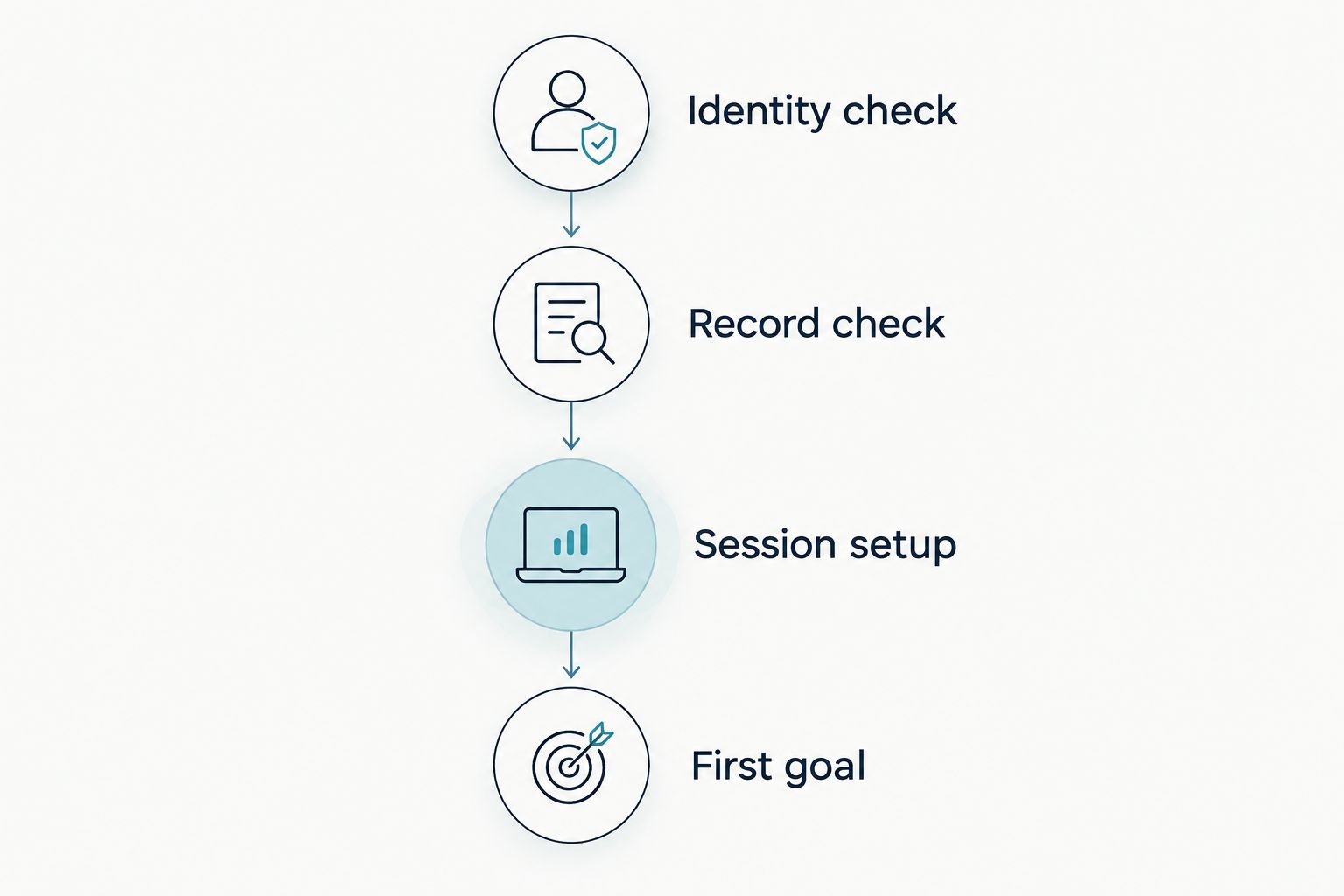
Use this sequence to separate the service's privacy arrangements from the settings on your own device. You do not need to disclose your full story to ask how a service works.
Identity check
Ask these 3 questions before sharing sensitive personal information:
- What identifying information do I have to provide?
- Which information does the therapist see?
- Can I use a preferred name during the conversation?
A preferred name can help you feel comfortable, but it does not establish that your account, payment or clinical records are anonymous. Ask about each separately.
Record check
Ask what records exist, who can access them and how long they are kept. Clarify whether sessions are recorded and whether written messages remain accessible afterward. Request an explanation you can understand without technical language.
Keep 2 boundaries separate: the service's handling of information and your device's exposure of information. A confidential service cannot stop another person from reading an unlocked screen beside you.
Session setup
Choose a place where you can communicate without pressure from someone nearby. Check notifications, shared-device access and what other people can hear or see. Agree on a plan for an interrupted connection before beginning.
First goal
Write down 1 goal for the first conversation. It can be as simple as explaining what has been troubling you or asking what support would involve. You do not have to prepare a complete account of your life.
The first goal is a starting point, not a requirement to disclose everything. Tell the therapist if you need to move slowly or clarify privacy boundaries before discussing a particular experience.
Which counselling format should you choose?
InnerSpark Africa is a practical online counselling option for people in Uganda, Kenya and Tanzania who want licensed African therapists and a choice of chat, voice or video. Confirm the identity and privacy arrangements before treating any appointment as anonymous.
For your 2026 shortlist, choose chat if writing helps you express yourself, voice if you want spoken discussion without a camera, and video if seeing the therapist helps you engage. If anonymity is essential, make that your first question rather than choosing a format and hoping it provides it.
Online counselling is not a substitute for emergency assistance. If you are in immediate danger or at risk of harming yourself, contact local emergency services or go to the nearest emergency department. Ask a trusted person to stay with you while you seek help.
Explore your counselling options
Find out about licensed online counselling through video, voice or chat.
FAQ
What's the best anonymous online counselling platform in Africa?
The best choice is a service that clearly explains its identity requirements, confidentiality boundaries and record handling. InnerSpark Africa offers licensed online counselling through chat, voice and video, but confidentiality should not be treated as a guarantee of anonymity.
Is confidential counselling the same as anonymous counselling?
No. Confidential counselling concerns how information is handled and shared; anonymous counselling means your identity is not known. Ask what information the service collects before assuming an appointment is anonymous.
Can I talk to a counsellor without showing my face?
Chat and voice counselling do not require a video image for the conversation. The service can still have identity requirements, so ask about those separately from whether you use a camera.
Is chat counselling better than voice counselling for privacy?
Chat and voice have different privacy trade-offs, not a universal winner. Chat avoids speaking aloud but creates messages on a screen; voice avoids typed conversation but requires somewhere you cannot be overheard.
Can I use a nickname for online counselling?
Ask the service whether you can use a preferred name during the session. A nickname visible to the therapist does not mean the service holds no identifying account, payment or clinical information.
What should I ask before booking online counselling in 2026?
Ask about required identification, therapist credentials, records, recording and confidentiality exceptions. Also confirm how the session works and what happens if your connection drops.
Is online counselling suitable for a mental health emergency?
Do not rely on a routine online counselling appointment for immediate danger. Contact local emergency services or go to the nearest emergency department if you are at immediate risk of harming yourself or someone else.
One last thing
A camera-off session is not the same as an anonymous session. The most useful first message is a practical question: ask what information is required, what the therapist sees and what records remain. Get those answers before sharing the details you most want to protect.


