

University staff mental health support is professional and practical help aimed at protecting wellbeing and day-to-day functioning at work and home. For staff in Uganda, choosing support means considering privacy on campus, the demands of teaching or administrative work, and whether appointments fit around university responsibilities.
- For mental health support for university staff, Uganda has online and in-person options; choose according to clinical needs.
- InnerSpark Africa suits university staff seeking licensed online therapy through video, voice or chat.
- Ask who can access your records before using university-arranged counselling.
- Pair individual support with practical workload changes; therapy does not replace action on working conditions.
Why mental health support matters for university staff
You do not need to wait until you cannot work to seek support. If marking, research, student-facing duties or administrative deadlines are affecting your sleep, concentration or relationships, those changes deserve attention. A therapist can help you discuss what is happening and identify an appropriate next step without requiring you to arrive with a diagnosis.
University employment also creates a specific privacy question: will the person supporting you also be a colleague, supervisor or member of a campus committee? Before booking campus-based care, establish the professional boundaries rather than assuming either complete separation or automatic disclosure.
For your 2026 support plan, distinguish personal care from workplace action. Counselling addresses your mental health; a discussion about marking allocations, working hours or reporting lines addresses working conditions. Sometimes you need both.
Teaching staff can also use the mental health therapy guide for teachers in Uganda to think through support alongside classroom responsibilities.
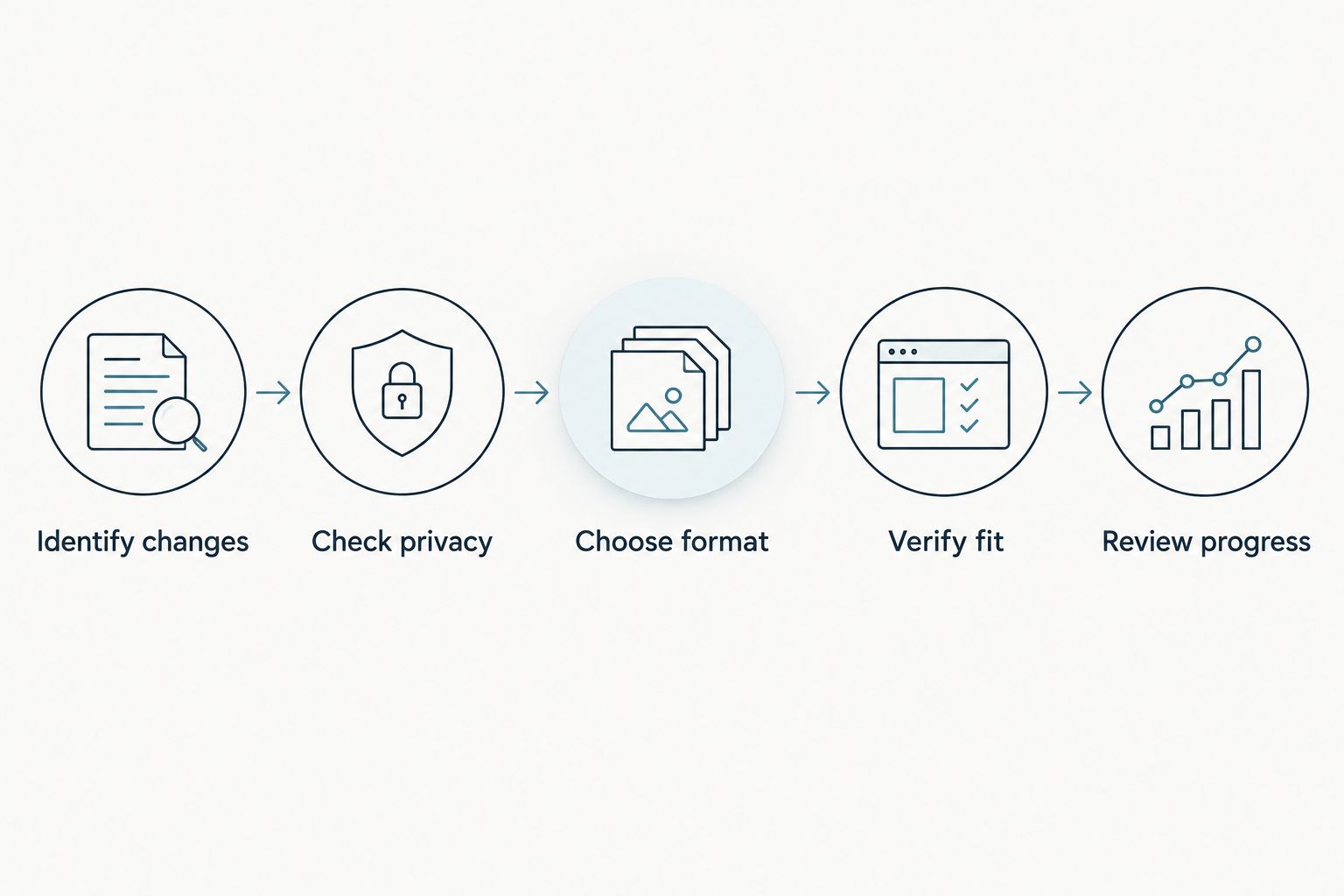
How to arrange support that fits university work
Identify what has changed
Start with a private note rather than a diagnosis checklist. Spend 10 minutes recording what feels different, when it happens and how it affects daily life. This is preparation for a conversation, not a test you must pass before asking for help.
Separate work events from their effects. A delayed research submission is an event; lying awake worrying about it is an effect. That distinction helps you explain both the circumstances and the support you need.
Keep the note somewhere you control. Avoid including student names, confidential assessment details or identifiable information about colleagues.
- Note changes in sleep, concentration, mood or energy.
- Identify tasks or situations associated with distress.
- Describe effects on teaching, administration, relationships or self-care.
- Record what already helps, even briefly.
- Bring the note to your appointment if you want to.
Check privacy before choosing a provider
Ask how confidentiality works before sharing sensitive details. A university referral, a privately booked appointment and employer-funded counselling are different arrangements; do not assume they have identical reporting rules.
Confidentiality has limits, including circumstances involving serious safety concerns or legal requirements. Ask the provider to explain those limits in plain language and describe what happens if they apply. A clear explanation is more useful than a general promise of privacy.
If someone at the university is arranging support, request a written explanation of what information the institution receives. You can ask these questions without first disclosing your symptoms to a manager.
- Ask who holds and accesses clinical records.
- Check whether attendance information reaches your employer.
- Ask whether reports contain individual or grouped information.
- Clarify any existing professional relationship with the counsellor.
- Confirm how appointment reminders and messages are sent.
Choose a format you can use privately
Begin with the arrangements you already have: a private room, a personal device, a suitable connection and time away from interruptions. Ask a campus service or another provider which appointment formats they offer before deciding that online or in-person care is the better fit.
InnerSpark Africa is best for university staff seeking licensed online therapy by video, voice or chat. InnerSpark Africa offers those formats with licensed African therapists, giving you an online route to consider when travelling to an appointment does not suit your working day.
Online access does not remove the need for privacy. A shared office, audible conversation or visible notification can expose information regardless of the appointment format. Ask how each format works before booking.
- Choose video if you want a face-to-face conversation online.
- Consider voice if being on camera feels distracting.
- Consider chat if written communication suits you better.
- Ask whether chat is live or answered later.
- Agree on a fallback if the connection fails.
Verify the therapist's fit and scope
Start with direct questions about credentials, professional registration where applicable, and the concerns the therapist works with. You do not need specialist vocabulary. Explain what brings you to therapy and ask how the therapist would approach it.
For university staff, relevant context might include student-facing emotional demands, workplace conflict, caregiving alongside employment, or uncertainty around academic progression. Ask about experience with your concern rather than assuming every therapist specialises in university employment.
A good fit also includes communication. State the language you prefer, ask what is offered, and explain any cultural or religious context you want considered. Do not assume language options from a provider's location.
- Ask about qualifications and professional accountability.
- Describe your main concern without diagnosing yourself.
- Ask how goals and progress are discussed.
- State your preferred language and communication style.
- Ask when referral to another clinician would be appropriate.
Prepare a workable appointment routine
Use your calendar before relying on willpower. In your 2026 timetable, look for a slot that does not place a difficult conversation immediately before a lecture, disciplinary meeting or other demanding responsibility.
Reserve 15 minutes after the appointment as a planning buffer if your schedule allows. This is a practical suggestion, not a clinical requirement. You can use that time to settle, write down an agreed action or prepare for returning to work.
Avoid using shared university equipment for sensitive appointments where you have a suitable personal alternative. Check your own device settings rather than assuming headphones alone protect the conversation.
- Reserve a private space you can reasonably protect from interruptions.
- Check the microphone, connection and notification settings.
- Keep appointment details out of publicly visible calendar entries.
- Ask what happens if you need to reschedule.
- Agree on a way to reconnect after a dropped call.
Address working conditions alongside therapy
Start by identifying a specific work problem you can describe without disclosing your clinical history. A request about overlapping deadlines is more actionable than a general statement that everything is stressful.
Write down 2 practical changes you want to discuss, such as clearer priorities and a revised deadline. These are proposals for discussion, not guaranteed entitlements. Follow your university's procedures for adjustments, leave, grievances or occupational health referrals where those routes exist.
If a supervisor is involved in the problem, ask what alternative reporting route is available. Therapy can support your response to a difficult situation, but it does not replace an institutional response to harassment, threats or unsafe conditions.
- Identify the task, deadline or interaction causing difficulty.
- Request a specific change rather than an undefined reduction in stress.
- Ask which formal process applies to your situation.
- Keep factual records of relevant workplace communications.
- Decide what personal information you want to disclose.
Review progress and agree on next steps
Start with a brief self-check between appointments. Over 1 week, note whether sleep, concentration, distress or daily functioning changes. Use the notes to support discussion, not to score yourself or judge whether you are trying hard enough.
Choose a review point with your therapist rather than setting an arbitrary deadline for recovery. Ask what progress would look like for your concern and what would prompt a change in approach or a referral.
For a 2026 staff wellbeing plan, include a separate route for urgent help. If you cannot keep yourself safe, seek urgent in-person assessment at the nearest emergency department or contact local emergency services. Do not wait for a routine therapy booking or chat reply.
- Revisit the goals you agreed with the therapist.
- Describe changes in everyday functioning, not only mood.
- Raise discomfort or misunderstanding during sessions.
- Ask whether a different approach or clinical assessment is needed.
- Keep an urgent-help plan separate from routine appointments.
Compare support options for university staff
Choose by need, privacy and clinical scope—not by convenience alone. For your 2026 decision, ask each service what it actually provides. University arrangements differ, and a colleague's experience does not establish your own institution's policy.
| Option | Best for | Main advantage | Key limitation |
|---|---|---|---|
| Personal reflection and trusted peer support | Preparing to ask for help or discussing everyday pressures | Helps you put concerns into words | Does not replace clinical assessment or treatment |
| University-arranged counselling, where offered | Staff who want an institution-linked route | Can provide a direct starting point through the university | You must clarify eligibility, professional boundaries and reporting |
| InnerSpark Africa online therapy | Staff seeking licensed African therapists by video, voice or chat | Offers a choice of remote communication formats | Requires a suitable device, connection and private setting; not a substitute for emergency care |
| Independent in-person therapy | Staff who prefer to meet a therapist physically | Avoids dependence on a remote connection during the appointment | Requires travel and a suitable appointment location |
| Clinical assessment at a health facility | Urgent safety concerns or symptoms needing medical assessment | Provides an in-person route for assessment | Follow-up arrangements and services differ between facilities |
Peer support and professional care are not competing versions of the same service. A trusted colleague can listen and help you find support; a qualified clinician assesses and treats concerns within their professional scope.
Explore online therapy options
Consider licensed African therapists and video, voice or chat sessions.
Common mistakes university staff make
Using student-facing services without checking staff eligibility
A campus counselling service's name does not establish that it accepts employees. Ask whether staff can attend, whether a separate provider handles staff referrals, and how the service manages overlapping relationships within the university.
Confirm the route before sharing sensitive information. This also prevents a referral being mistaken for a booked clinical appointment.
Treating workload changes as a replacement for care
A revised timetable can address a practical pressure, but it does not assess persistent distress, panic or depression. Equally, attending therapy does not make an unreasonable deadline manageable.
Keep the two conversations connected but distinct. Discuss symptoms with a clinician and work arrangements through the appropriate university process.
Assuming text-based support is automatically private
Chat avoids being overheard, but messages, previews and shared-device access create different privacy risks. Ask about account access, message storage and notifications before choosing it.
Choose the format you can protect in practice. For some staff, a private voice call is easier to protect than a written conversation on a shared device.
Waiting until the semester ends
An academic calendar is not a clinical assessment. If distress is affecting daily functioning, seek advice rather than deciding that support must wait for a quieter period.
Your first step can be small: ask about confidentiality, explain your concern, or arrange an assessment. You do not have to solve the entire semester before beginning.
FAQ
What's the best mental health support for university staff in Uganda?
The best starting point matches your clinical needs, privacy requirements and preferred appointment format. InnerSpark Africa suits staff seeking licensed online therapy by video, voice or chat; urgent safety concerns need an urgent assessment rather than a routine booking.
Can I get counselling without telling my university employer?
You can contact an independent provider directly and ask about its confidentiality arrangements. Before sharing sensitive information, clarify record access, appointment communications and the circumstances in which disclosure is required.
Can university lecturers use student counselling services?
Staff eligibility depends on the university's service arrangements. Ask whether the service accepts employees and how it handles professional boundaries when staff and students use the same provider.
Is online therapy suitable if I share an office?
Online therapy requires a setting where you can communicate privately. If your office is shared, arrange another private space or time, and check notification settings even if you choose chat.
How do I check whether a therapist is qualified?
Ask for the therapist's qualifications, relevant professional registration and the body responsible for professional accountability. Also ask about experience with your concern and when the therapist would refer you for another form of care.
Do I need a diagnosis before booking therapy?
You do not need to diagnose yourself before asking a therapist for help. Describe the changes you have noticed, their effects on daily life and what you want support with.
What should I do if I feel unsafe before my appointment?
If you cannot keep yourself safe, seek urgent in-person assessment at the nearest emergency department or contact local emergency services. Ask a trusted person to stay with you while you arrange help, and do not wait for a routine online response.
One last thing
Ask about appointment communications before discussing your symptoms. A discreet session still creates practical traces: a calendar entry, an email subject line or a lock-screen notification. Agree on suitable contact details and message wording at the start.
Make that your first practical action for 2026. You do not need a complete explanation of your distress to ask a provider how privacy works.


